
Why Google Matters More Than Social Media for Most Farms
Many farms pour hours into social media and still feel invisible. Posts get likes, reels get views, and comments roll in, but sales remain inconsistent. When income does come in, it often feels unpredictable, tied to good weekends or lucky timing rather than something you can rely on.
This disconnect leaves farmers frustrated and exhausted, wondering why “doing everything right” online isn’t translating into steady customers.
The answer is simpler than it seems. For most farms, Google matters more than social media. Not because social media is useless, but because it plays a very different role than many farmers realize.
The core difference between Google and social media
The most important difference between Google and social media is intent.
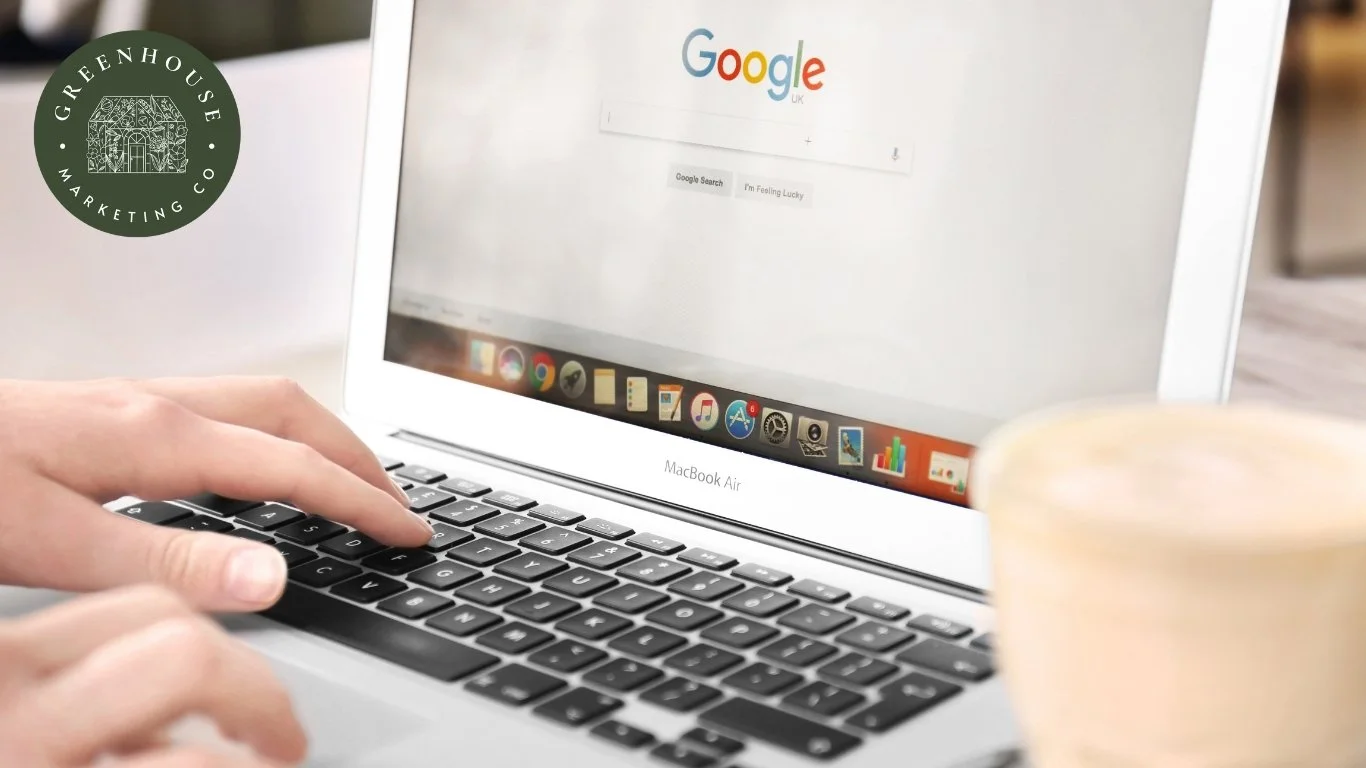
When someone uses Google, they are actively looking for something. They have a problem to solve or a decision to make. They search phrases like “eggs near me,” “u-pick farm near me,” or “local beef in [city].” These searches signal readiness. The customer is already halfway through the buying process.
Social media works in the opposite direction. People open Instagram or Facebook to be entertained, distracted, or inspired. They are scrolling, not searching. Even when they enjoy a post, they are rarely in a buying mindset in that moment.
This difference in intent explains why Google drives customers while social media often drives engagement without sales.
Why social media feels productive but rarely creates predictable sales
Social media rewards activity. When you post consistently, you receive feedback in the form of likes, comments, and views. That feedback can feel like progress, even when it is not connected to revenue.
The reality is that most people who see your content are not local, not ready to buy, or not thinking about purchasing at all. Algorithms prioritize content that keeps people scrolling, not content that helps them make a decision. As a result, even high-performing posts often reach people who will never become customers.
Social media excels at reinforcing trust with people who already know you. It keeps your farm top of mind and builds familiarity over time. What it does not do well is introduce your farm to someone who is actively trying to solve a specific problem right now.
This is why many farms experience strong engagement alongside weak or inconsistent sales.
Why Google works differently for farms
Google connects farms with customers in real time. When someone searches for a farm product or experience, they are not asking to be entertained. They are asking to be helped.
Search behavior is practical and local. Customers want to know what is available, where it is located, and how to buy it. Farms that appear clearly in search results meet customers exactly where they are in the decision-making process.
Even basic visibility on Google can outperform hours of social media effort. A clear website page, a properly set up Google Business Profile, and consistent location information often bring in customers who are already motivated to buy.
Google does not require constant posting. It rewards clarity, relevance, and consistency.
“But my customers are on Instagram.”
This is true and incomplete.
Your existing customers may follow you on Instagram. They may enjoy your updates and feel connected to your farm. That does not mean Instagram is how they found you in the first place.
In many cases, customers discover a farm through Google and then follow on social media afterward. Social media becomes part of the relationship, not the entry point. It supports loyalty rather than discovery.
When farms reverse this order and rely on social media to create awareness, they often struggle to reach new customers consistently.
Why farms without a Google strategy lose ground quietly
Farms that ignore Google often do not notice the impact immediately. They may still sell at markets or to repeat customers, which creates the illusion that everything is working.
Over time, however, growth stalls. New customers trickle in slowly, and sales depend heavily on personal effort. Each season feels like starting from scratch because nothing compounds.
Meanwhile, farms with even modest Google visibility continue to attract new buyers without additional work. They show up in searches, get saved in maps, and become the obvious choice when customers are ready.
The gap widens quietly, not because one farm is better, but because one farm is easier to find.
What Google actually needs from a small farm
Google does not require a complex marketing strategy. It requires clarity.
Your farm needs clear answers to basic questions: what you sell, where you are located, when products are available, and how customers can buy. That information should be consistent wherever your farm appears online.
A Google Business Profile, accurate location details, and simple pages that match common search terms are often enough to dramatically improve visibility. This kind of foundation supports discovery even when you are busy farming and not actively marketing.
How social media and Google work best together
This is not an argument against social media. It is an argument for using it correctly.
Google brings customers to your farm when they are ready to buy. Social media deepens the relationship afterward. Together, they create a system where discovery and trust reinforce each other.
When farms rely on social media alone, discovery is inconsistent. When they rely on Google alone, connections can feel thin. Used together, each platform plays to its strength.
The real reason this matters for small farms
Small farms do not have the luxury of wasted effort. Time, energy, and margins are limited. When marketing channels do not produce reliable results, the cost is not just financial. It shows up as stress, burnout, and uncertainty.
Google offers something social media rarely does: predictability. When customers can find you consistently, income becomes steadier. That stability makes planning easier and farming more sustainable.
Visibility is not about chasing trends. It is about being present when customers are already looking.
The bottom line
Social media feels like you’re doing it all right, but Google will create more profit for your farm nine times out of ten.
For most farms, consistent customers come from being easy to find at the moment of need, not from being entertaining while someone scrolls. Social media supports relationships. Google supports discovery.
When farms prioritize clarity and visibility where intent already exists, marketing stops feeling like a guessing game and starts working quietly in the background.
That shift from chasing attention to meeting demand is what allows most farms to grow without burning out.